Industrial photography is an unique form of professional photography which requires special skills and knowledge. It can be difficult to capture the perfect shot of an industrial environment, but also rewarding.
We will provide some tips and tricks for taking great industrial photos. We will also discuss topics like lighting, composition and safety. If you’re interested in learning about industrial photography then read on!
What is Industrial Photography? Why is it Unique?
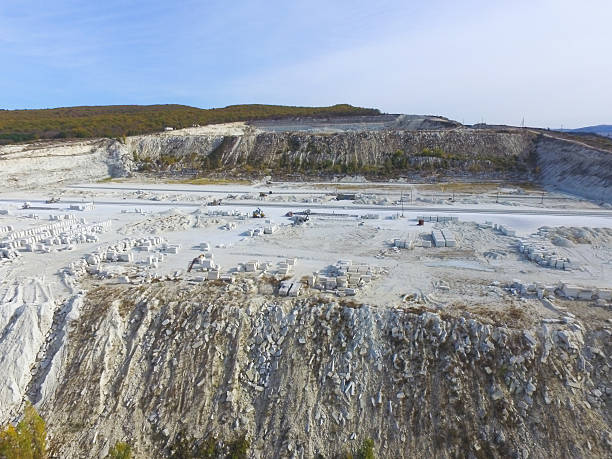
Industrial Photography is an example of professional photography which focuses on capturing pictures of industrial structures, objects and people. It can be factories, warehouses or power plants.
Industrial Photography is different because it requires professional photographers to work in dangerous or difficult environments. Industrial photographers must have the specialized knowledge and skills to take photos in these environments.
Safety is a major concern in industrial photography.
It is vital to be aware of any potential hazards when taking photos in an industrial environment. It is important to be familiar with the environment you will be shooting in, and know how to avoid any potential hazards. Photographers should be alert to hazards such as wires or pipes hanging above them.
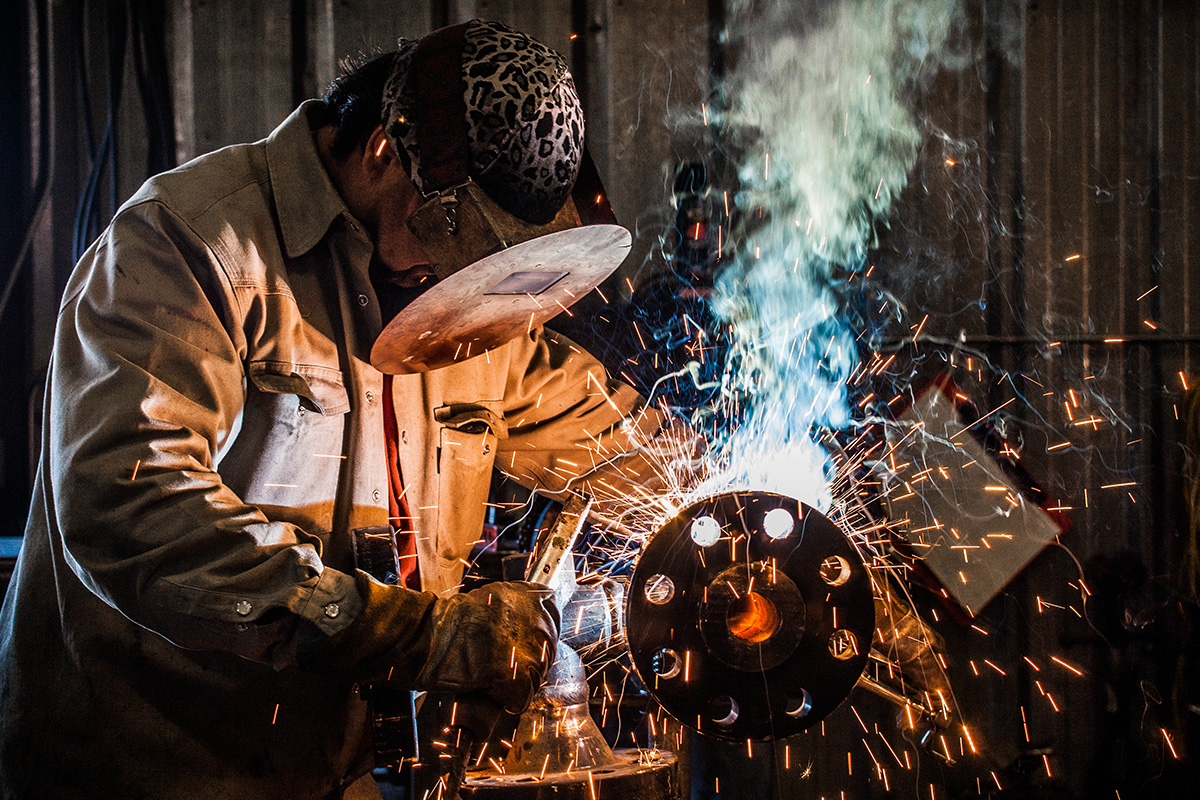
Also, they should be aware of any trip hazards such as loose cable or uneven surfaces. A photographer working in the industrial sector should also wear safety equipment such as glasses, gloves and hard hats.
How to Take a Great Industrial Photo
After we’ve covered the safety aspect of industrial photography, lets talk about how to take great photos in this environment.
Lighting is a very important consideration. Lighting conditions can be harsh when shooting in industrial settings. It can be difficult to capture a properly exposed image in this situation. It is therefore important to know your camera’s setting and how to adjust it to different lighting situations.
Composition is another important aspect of industrial photograpy. It is important to consider the overall feel and look of your shot when composing it.
If you’re shooting an industrial scene, you might want to concentrate on the lines and symmetry of the scene. If you’re shooting a closeup of an object in the industrial sector, you might want to emphasize its textures and fine details.
It is important to also consider the angle from which you are taking your pictures. You can often take pictures from different angles when photographing industrial structures or objects. It can add a unique perspective to your professional photographs and make them more appealing.
Try out different angles to find what works best for you. Try taking more pictures for industrial clients.
Lighting in Industrial Settings
It is necessary to adjust the camera settings in industrial photography to compensate for harsh lighting conditions. Often, this means using a high ISO and a large aperture. To prevent motion blur, it is important to use shutter speeds that are fast.
It is essential to use a lens that has a high aperture when shooting in industrial settings. You can capture sharp images in low-light conditions.
You may need to use artificial light in some situations. You can use flashlights, spotlights or preferably, strobe light to achieve this.
Don’t forget to experiment using different light sources. It’s crucial to experiment when it comes to industrial photography, as it takes place in the most difficult environments.
Use low-lighting or backlighting for some interesting effects.
Industrial Photos: Composition
The composition is crucial to ensure that the viewer can understand the story. You’ll most likely want to use a wider-angle lens in order to capture the entire scene.
It will give the professional photo a sense scale, and the viewer can see the entire shot.
It’s important to ensure that your composition is balanced, and that you have a focal point that is clear. You can achieve this by using leading lines and symmetry.
Don’t forget the background when taking your photos. The background of industrial photography can be as important as your subject. Take advantage of the manufacturing process to create some stunning images.
Play with depth of field
You can make your industrial photography interesting by using a shallow depth-of-field. This will isolate the subject and create a dramatic effect.
You’ll need a large aperture on your camera to achieve this effect. You can blur the background (bokeh), and the subject will stand out.
Use dynamic angles and framing
Use dynamic angles and framing to enhance your industrial photography. Experiment with angles and compositions to make your photos more interesting. Your photos will be more exciting and visually interesting if you experiment with different angles and compositions.
Framing is another way to achieve a dynamic effect. You can add more movement to your photos by framing them in a particular way.
You can achieve framing by placing your subject in a frame that is not at the center. Try out different techniques and see which one works best.
Do not be afraid of some dirt
Don’t worry about getting dirty. It may be tempting to keep everything clean when shooting industrial photography. Sometimes, the best photos come from getting close to the subject.
Don’t be scared to shoot low and from the ground. You can capture interesting perspectives from this low angle that you would not be able get if you were shooting at a higher level.
Safety Tips for Industrial Photographers
Safety is a major concern when working in an industrial environment. Here are some tips on how to stay safe when taking photos in an industrial environment.
Wear appropriate clothing and safety equipment for the work environment.
These may include steel-toed shoes, long pants and gloves as well as eye protection. Hard hats and reflective clothing are standard in most industries, but there is variation depending on the industry.
It could be much less or a great deal more. I’ve personally worked in places where full hazmat equipment was required.
Know your surroundings, and where to exit in an emergency.
It is important that every industrial photographer be aware of his surroundings. When photographing an industrial environment, it is important to be aware of your surroundings.
You should be aware not only of any potential hazards but also of the location of emergency exits. Be sure to know how the area you are working in is laid out, and be aware of what’s going on around you.
Keep your fingers and hands clear of moving parts when you photograph machinery or other moving components. Never take shortcuts in terms of safety.
Follow any safety instructions that the site staff may give.
It is important that you listen and follow all safety instructions from the site staff when visiting industrial sites. These instructions were put in place to protect visitors from possible hazards. Follow the instructions to help ensure your own safety and that of others.
Wearing appropriate clothing is one of the most common safety instructions. Another is to avoid certain areas and use caution when walking near equipment. Ask a member of staff for clarification if you have questions.
Always keep in mind that your safety is your number one priority as a professional photographer. If you don’t want to risk your own safety, do it for others.
On industrial sites, someone is killed every day or suffers serious injuries. It is important to get home safely, even if you are taking photos.
Avoid areas that are off-limits or considered dangerous.
On manufacturing sites, there are often specific areas that are considered unsafe or off-limits. Signs or barriers are usually used to keep people away from these areas.
It is still important to be cautious when you are walking around as not all areas will have been marked. Ask a member of staff before you enter if you’re unsure.
It is always better to be safe rather than sorry or dead. Here are a few safety considerations for industrial photographers.
Conclusion
Industrial photography is a rewarding but challenging genre. You can create amazing industrial images by following above our safety tips and post-processing them correctly. Check out the examples for some inspiration!