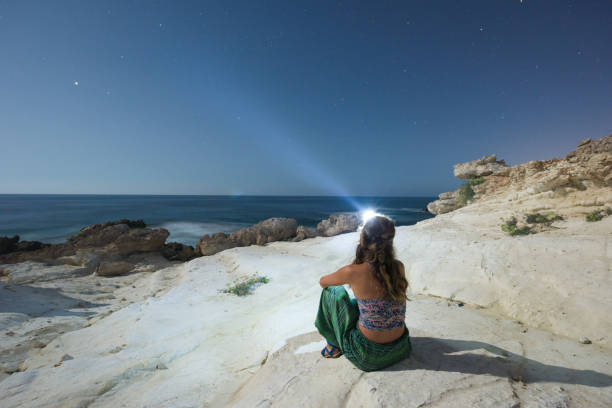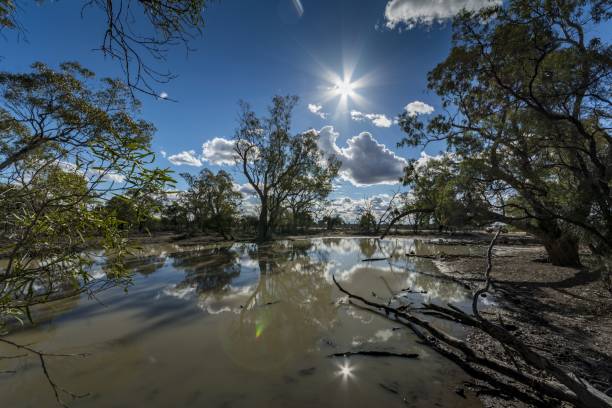
We are drawn to nature photography by its ability to transport us back into the wild. We become more aware of ecosystem balance and imbalance as we return to beautiful scenes.
We observe natural cycles. For example, we notice how tree ferns brown and wither before new growth appears each summer. As heavy rains wash sediment and soil out to sea, we watch stunning seascapes turn into brown bubble baths.
We also observe unnatural changes, such as how old forests survive next to their neighbors who have been cleared. Or the disappearance of buzzing insects that filled our summers as children.
Natural wonders inspire us to care, notice, and act.
So, as nature photographers, we have an obligation–professionally and morally–to protect the ecosystems we love to capture. They’re worth saving. They’ve already been held.
CONSERVATION & PHOTOGRAPHY IN THE ACTION
You may have heard this story, but it is worth retelling.
Franklin River in 1983 was threatened.
Franklin Dam, located in Tasmania’s South West Wilderness area, would destroy ancient Aboriginal sites, flood the river, and drown the pristine habitats. Despite years of activism and campaigning, the project was pushed forward by both the state and federal governments.
The Tasmanian Wilderness Society placed full-page color ads in The Sydney Morning Herald and The Age three days before the election. These ads featured the now-iconic photo Rock Island Bend, Franklin River, taken by Peter Dombrovskis.
The photo shows a foggy day on the Franklin River as it sweeps along canyon walls, with the pristine wilderness gracing the top of the mountain. This scene, like so many others, would have been lost if the dam had been built.
Bob Brown, the former director of Tasmanian Wilderness Society, said, “If we wanted to win this campaign, we had to send pictures of the river to people who couldn’t get there.”
Bob Hawke won the election three days after this image was published. The World Heritage Properties Conservation Act of 1983 was passed by the new government, which prohibited any dam-related excavation or building on the Franklin River.
The image of Dombrovskis helped to raise public awareness and protected a beautiful stretch of wilderness in the future. What is the potential of our profession if one image by a landscape photographer can have such a great impact?
BEYOND THE CONSERVATION OF ECOLOGICAL RESTORATION
The ecological landscape in 2023 will be more volatile than 1983.
Conserving our wild spaces will help us to combat climate change and protect habitats. We must now go beyond saving the remnants. We must reverse the damage already done.
Ecological restoration is a growing field that repairs ecosystems damaged to restore biodiversity. It is a vital tool in combating rising temperatures, soil erosiveness, habitat loss, and water pollution.
The projects can be anything from small-scale, targeted habitat restoration to large-scale landscape rehabilitation. Initiatives could include reforestation, the removal of invasive species, or even reintroducing apex predators, such as dingos and Qualls, which has been proposed for Wilson’s promotion.
But sweeping remediation measures, even if they are well-intentioned, can have destructive side effects. Forced interventions may disrupt the natural balance of an ecosystem, and protection measures for one type of species can harm another.
Consultation with First Nations, detailed planning, and active monitoring are essential to counteract this. These initiatives must be based on evidence and enhance biodiversity.
Locally, organizations like Greening Australia Trust for Nature and Greenfleet work to actively restore Australia’s ecosystems.
In order to combat climate change, the UN General Assembly has declared the period 2021- 2030 as the “Decade on Ecosystem Restoration.”
HOW PHOTOGRAPHERS can help
Nature photographers are vital in helping to create a sustainable and resilient world. We can achieve the following through our storytelling, community, and first-hand experiences in the wilderness:
- Instruct and educate: Do not share beautiful images only for others to admire. Use captions, blog posts, and comments to share stories and educate. Note the condition of the environment in which you took the photograph. You could also do some research about the area to provide historical context.
- Support eco-groups: If we don’t take action to restore and protect our ecosystems, they will continue to suffer. Many community and not-for-profit groups are working hard to protect the environment. You can donate a percentage of your sales or give your images to help them.
- Consider your travel plans: You might prefer local photo excursions to far-flung adventures in order to reduce your environmental impact. When do you travel abroad? You can offset your carbon footprint by using public transport or a reputable program.
- Keep taking photos: Documenting the beauty of the wild spaces around us will inspire others to appreciate the environment as well. You may inspire someone to take a hike on Sunday or make them more aware of their impact. It would be best if you always were respectful of the ecosystems that you pass through.
CREATE TO SAVE, SAVE TO CREATE
Although there is still much to do to protect our natural areas, momentum is growing.
Around the world, rewilding initiatives are gaining momentum. UK projects, such as Knepp Wildland Estate and Mar Lodge Estate, are reversing decades of habitat loss. People-powered communities such as Mossy Earth spearhead restoration projects throughout Europe.
Restore Lake Pedder, a local campaign, is working to remove the dam that has destroyed ecosystems and submerged the pink-quartzite sweeping beach. The committee is continuing the campaign started by photographer OlegasTruchanas half a century before.
Nature photographers are gifted with a special gift.
We can turn abstract observations and dull data into vivid imagery that inspires, transports, and moves. Document success stories, highlight natural splendor, increase awareness, and change public opinion.
We are a hardworking, passionate collective. We can protect ecosystems by working together in small and large acts.
We must conserve the natural environment that we use to create our stunning images.
FURTHER READING
- The Rescue of a Wild Landby Andrew Painting (2020). A first-hand account of an ecologist’s efforts to restore the Mar Lodge Estate, a degraded estate for deer hunting in the Scottish Highlands.
- Into The Woods: Tasmania’s Forests, by Anna Krien. The story of the campaign against logging in Tasmania’s Florentine Valley, which profiles both activists and loggers.
- Isabella Tree (2018). The Wilding. Isabella Tree, whose land was no longer economically viable due to intensive farming, decided to let nature take control of Knepp Estate. What happened next?
- The Future of the Future By Elizabeth Kolbert (2020). This sharply written book examines how technology interventions have caused – and now could solve – many of our environmental problems.