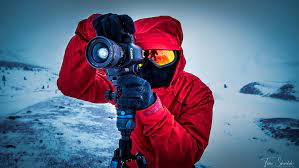
Step 1: Take a look at the light
When improving their photography skills, most people look at their camera settings. They jump into technical details like shutter speed, aperture, and autofocus modes.
These settings indeed have their place.
However, I believe that starting with camera settings will confuse you. A camera is a tool that can capture light.
- What time is it?
- What is the strength of the light?
- Are you feeling sunny or cloudy today?
- Which direction is the light coming?
- What are the colours, and where can you find artificial light sources?
Step 2: Get to know your camera settings.
Each image is created between a dozen (or more!) images at the confluence. camera settings, including:
- Aperture
- Shutter speed
- ISO
- Shooting modes
- Autofocus modes
- Metering options
- White Balance Modes
You will learn the meaning of each setting and how to adjust them in your camera. You don’t have to be an expert in every setting. However, you must understand how each setting affects your photos. Also, which settings are the best for you.
Step 3: Carefully compose your shots
Once you have mastered the basics of your camera settings, it is time to start exploring the artistic side of being a great photographer.
New photographers tend to have one bad habit: they look up and see interesting things. Then, they move on. On the other hand, veteran photographers will spend hours looking at an interesting scene and deciding what to include in their frame. Once they have determined the best composition, they can take a photograph.
Step 4: Learn how to use colour
Colour is an important aspect of photography. Your photos will immediately be improved if you learn how to use them. How can you improve your colour vision?
Begin by taking a look at the colour wheel. Learn how colours interact. What colours go well together? What effect can you achieve when you combine them? What do the different colours mean? What colours are calm, and what colours make viewers feel more anxious?
Next, take a look around while you are out and about. As you pass by them, notice the different colours. Consider how they interact (or not) together.
Step 5: Learn how to edit your images
Although you may not like to hear it, you must also become an editor if you want to be a professional photographer.
Editing is crucial to your vision. The best photographers combine their photography skills with their editing skills to create stunning final results.
Step 6: Print your photos
Hobbyists don’t print photos anymore. But that’s a mistake. Here’s why.
It’s one thing to view your images on a monitor. It’s another to see your images in their final printed form. You can see the effects of light, colour and camera settings on the final image by printing it. You’ll learn a lot from it about photography, I promise.
Step 7: Take photos constantly
You’ve come this far. Your prints are beautiful, and you know what to do with them. Perhaps you are even a competent photographer. How can you become a better photographer than your predecessor? How can you become great
Next, you need to learn how to create unique and compelling photographs. Now it is time to think about what appeals to you in photography and what makes images stand apart in your mind.
Step 8: See the work of other photographers
It would help if you now were trying to find your voice and style. One of the best ways is to look at other people’s work. Take a look at the work of others.
Visit galleries and buy photography books to see the work of top photographers. It is easy to find great photography on the internet, but it can also be difficult to lose yourself. Galleries and books have a purpose. Think about the origins of the images and try to figure out what the context is. Images can sometimes hit you regardless of whether you have any idea about their context. However, it is important to know more about the photographer and the history of the image. It will, at the very least, add another layer of appreciation.
Step 9: Get immersed in a topic or area
Did you know that many photographers spend 40 years photographing the same area? It doesn’t have to be that far. However, picking one subject or area and focusing on it can greatly enhance your growth.
For instance, you might photograph:
- Your immediate neighbourhood
- Your backyard
- Trees
- Nearby lakes
- Flowers
Step 10: You will need to find a small group of people to share the work.
Although the internet is a great place to share your work, it can also be very personal. Everybody sees hundreds of images per day from thousands of people. Although it is possible to receive feedback online, it can be difficult to get a good critique of your images.
Find a few people to form a regularly meeting group to look at physical images. While you ultimately want to take your images, seeing how others view your images is important. You will get more feedback and comments from them the more you know their work and how they view it.
Step 11: Create a collage of images similar to yours
Lightroom’s most striking feature is its ability to create collections of images that are not contained in your regular file structure. This is something that Lightroom can do better than other programs. At the minimum, you can group images using your desktop file structure.
You can group images and arrange them in a way related to one another. Make them into a project. The images in this article are related, but not all simultaneously. You can also do the same.
Step 12: Develop your photographic voice
The final step to becoming a great, great or even amazing photographer is developing your voice. However, if you follow these 11 steps, your voice will naturally come.
You can still think about your voice and pay attention as you go. Please don’t force it. It will come over time.
Final words: How to be a great photographer
Although you can quickly learn how to use your camera, it is not possible to become a professional photographer in weeks. You will see huge improvements in a short time if you take your time and work hard each day.


